
Driving $27M+ in productivity gains by redesigning organizational behavior systems
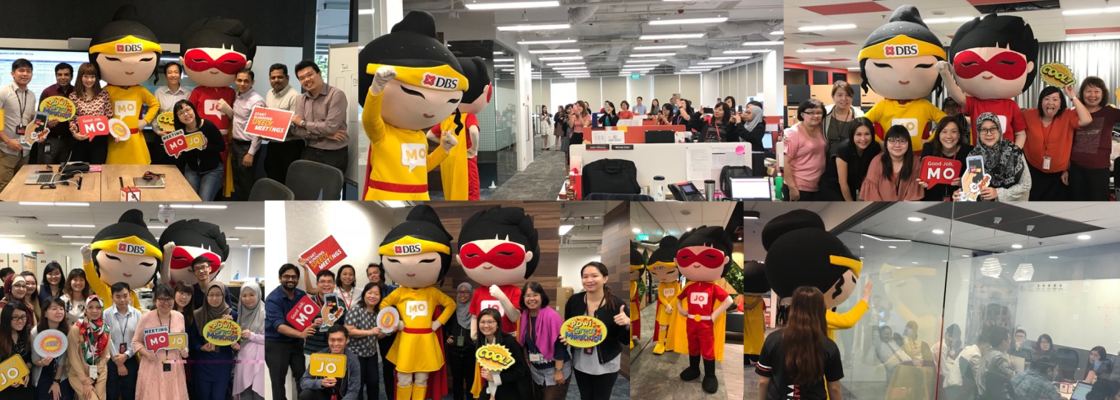
Assistant Vice President, Employee Journey Design Coach (Player-Coach). Led the design and operationalization of behavior change systems.
Designed and scaled Meeting MOJO — a bank-wide behavior change system embedding new rituals, tools, and feedback loops into daily workflows.
Core transformation team (DBS Transformation Group, Future of Work). Managed 5 designers and developers for MOJO app.
Chief Data & Transformation Officer (MD), Group Management Committee (GMC), Executive Directors and MDs across markets.
~2.5 years (system design → pilot → bank-wide rollout → reinforcement)
25,000-30,000 employees across DBS. Organization-wide behavioral transformation initiative.
Identified that inefficient meetings were a symptom of deeper cultural issues: hierarchy, lack of psychological safety, and weak accountability, which were suppressing innovation.
I led the operationalization of MOJO into a scalable system, embedding behavioral triggers, tools, and leadership feedback loops into daily workflows across the organization.
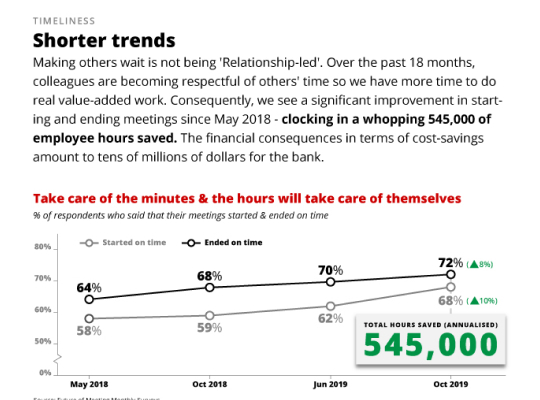
Result: ~545,000+ hours saved annually, tens of millions in productivity gains, and measurable improvements in collaboration, participation, and decision-making quality.
To understand why this approach was necessary, the issue wasn't just meeting inefficiency. It was a deeper breakdown in how decisions and behaviors operated across the organization.
Keynote: Design Thinking — Transforming the Meeting Culture at DBS (26 min)
Meetings were slowing down decision-making and suppressing innovation
Meetings were slowing down decision-making and suppressing innovation.
Common symptoms included:
- Meetings without clear purpose or outcomes
- Dominance of senior voices (HiPPO effect)
- Lack of participation and psychological safety
- Time inefficiency at scale
This pointed to a deeper issue. Meetings were not failing in isolation. They were reflecting how the organization made decisions.
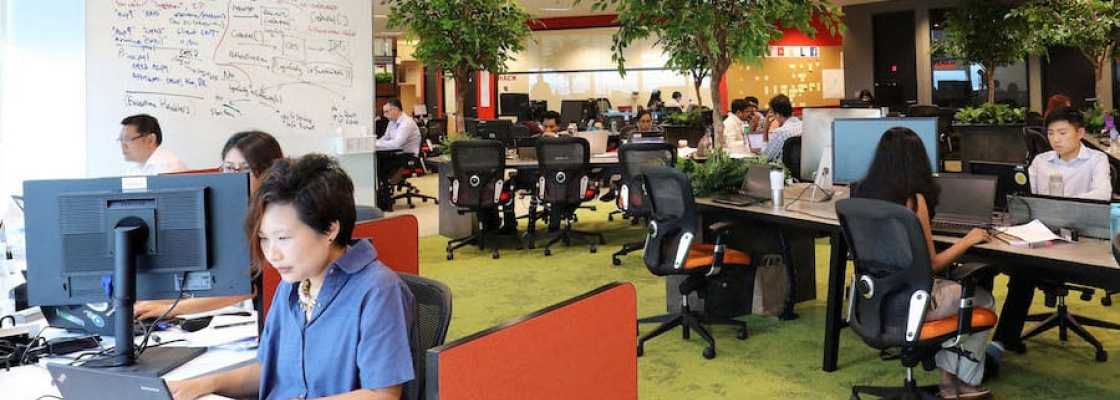
Meetings were not inefficient. They were reinforcing a culture that blocked innovation.
But deeper investigation revealed something more fundamental:
- Meetings were suppressing diverse voices and reinforcing the status quo
- Many participants remained in defensive silence due to hierarchy and fear
- Decisions defaulted to the highest-paid person in the room
The problem wasn't how meetings were run. It was what they reinforced.
Therefore, meetings weren't the problem. They were a visible symptom of deeper cultural dynamics: hierarchy, lack of psychological safety, and unclear ownership.
To drive real change, we needed to redesign not just meetings, but the behaviors and norms underlying them across the organization.
This reframed the problem from fixing meetings to redesigning the behaviors that governed them.
We shifted from fixing meetings to redesigning the behaviors that governed them
Initially, meeting effectiveness was treated as a problem that could be solved through:
- Training
- Guidelines
- One-time interventions
I drove a shift toward embedding behavior change directly into daily workflows through a system of triggers, rituals, and accountability mechanisms.
This included:
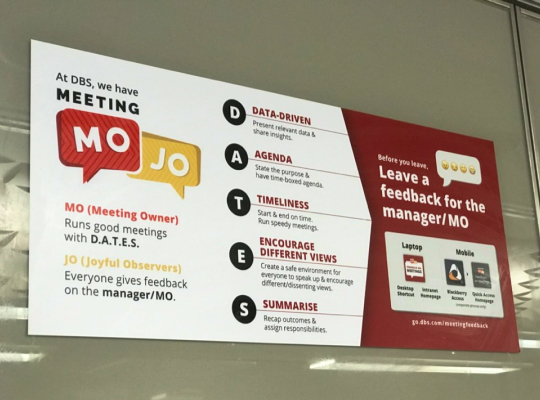
- Designing MOJO as a repeatable ritual (MO/JO roles in every meeting)
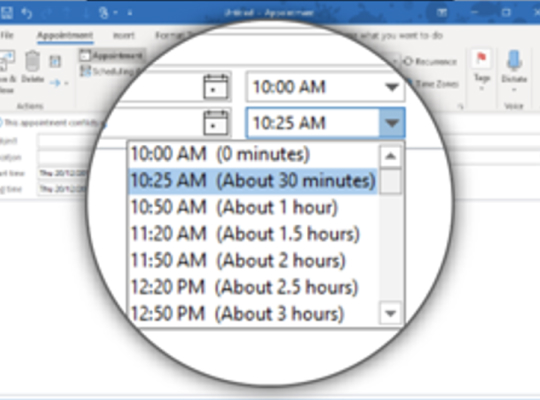
- Embedding prompts into existing tools (Outlook defaults, presentation templates)
- Creating a mobile app with real-time triggers, scripts, and timers
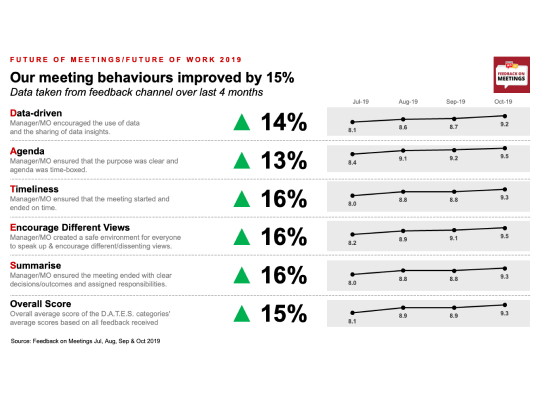
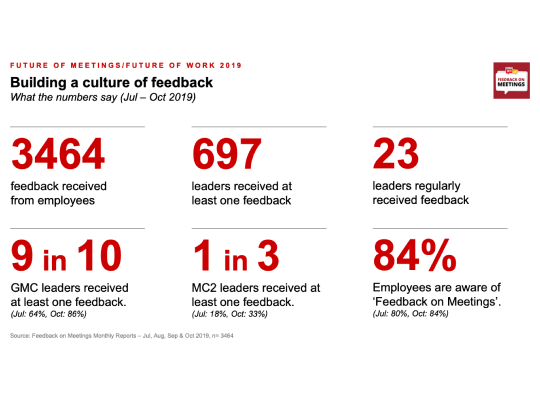
- Introducing feedback loops and ratings, including upward feedback on senior leaders
- Building monthly reporting to Group Management Committee (GMC) to sustain leadership visibility
Embedding behavior change into daily workflows at scale
This mattered because behavior change fails when it relies on memory or intent. It only scales when it is embedded into the environment.
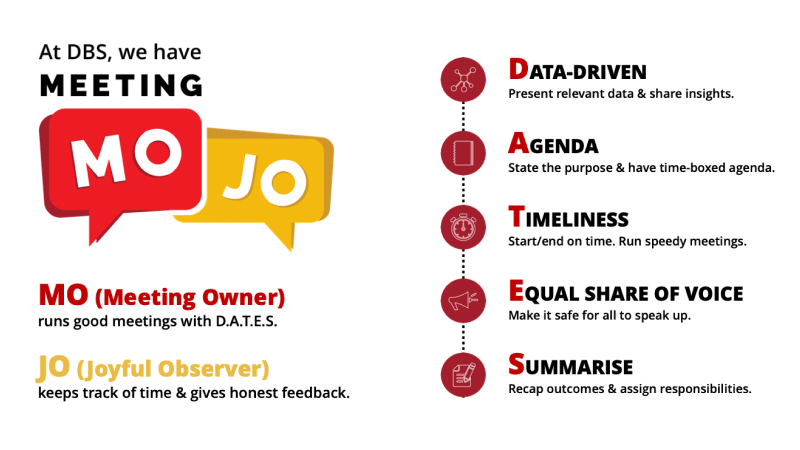
Simplified the system into repeatable behaviors
Data-driven: Present relevant data and share insights
Agenda: State the purpose and have a time-boxed agenda
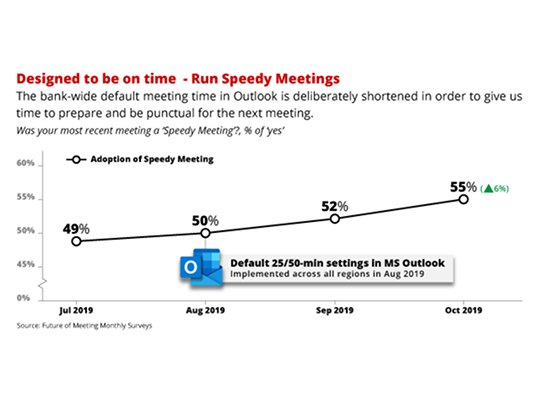
Timeliness: Start and end on time, run speedy meetings
Encourage Different Views: Create a safe environment for everyone to speak up
Summarise: Recap outcomes and assign responsibilities
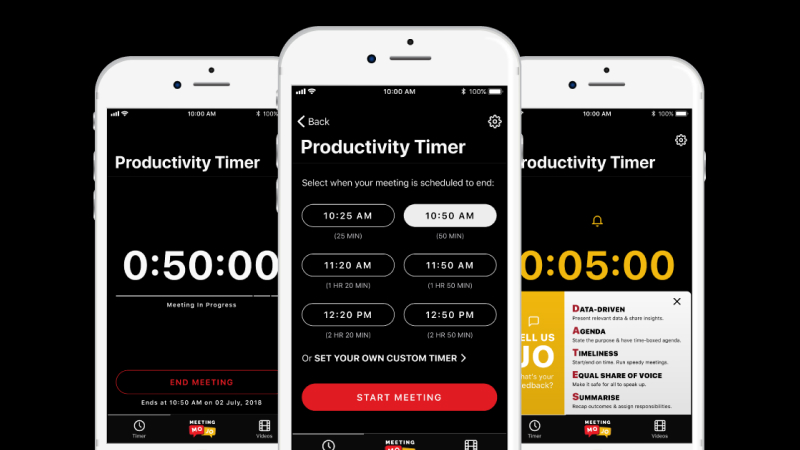
Designed a real-time behavior engine (MOJO app)
- Timers and prompts to guide meeting flow
- Scripts to support MO/JO roles
- Triggers that reinforced behavior at key moments
2.4K downloads in the first month of bank-wide launch.
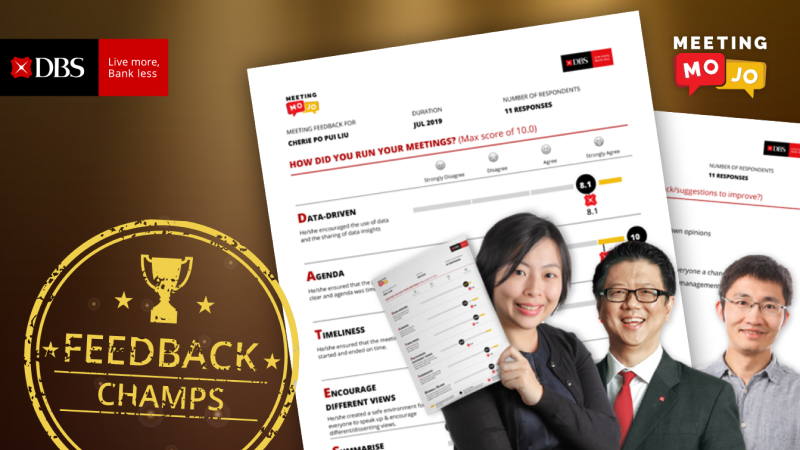
Built leadership visibility and accountability
This created:
- Visibility at the highest levels of the organization
- Reinforcement through leadership attention
- A feedback loop that sustained momentum
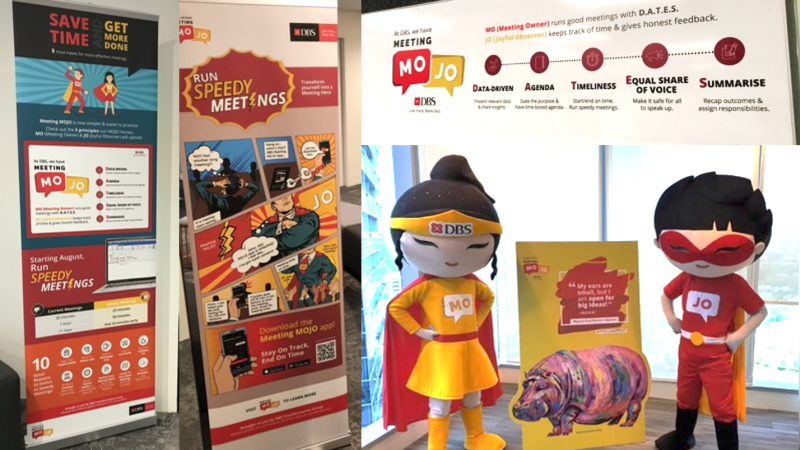
Embedded behaviors into everyday workflows
- Default meeting durations in Outlook (25 and 50 minutes)
- Standardized slides and prompts
- Physical artifacts in meeting rooms
Embedding behavioral change unlocked measurable gains in productivity, collaboration, and decision-making
The system delivered significant improvements across business, behavioral, and operational metrics. Driven not by isolated interventions, but by sustained changes in how meetings were run across the organization.
Business Impact: Small behavioral shifts scaled into significant productivity gains
- ~545,000+ employee hours saved annually
- Equivalent to $27M+ in productivity gains
- Driven by: ~1.5 min saved per meeting x ~7 meetings per day x 30,000 employees x 44% adoption x 236 workdays x $50/hr avg rate
At scale, small behavioral improvements compounded into significant business impact.
Behavioral Impact: Cultural shifts enabled better participation
- Equal share of voice and psychological safety increased
- JO adoption: 35% to 44%
- Courage in feedback: 27% to 36%
Meetings shifted from passive updates to active participation.
Operational Impact: New defaults changed how meetings were run
- Meeting effectiveness doubled (internal surveys)
- Adoption of Speedy Meetings increased across all markets
- 97% of employees would recommend the MOJO app
Behavior change became habitual, not optional.
What I took away
Initial efforts focused on training and guidelines. But these failed because people revert to default behaviors under pressure. Good intentions don't scale. Sustainable change happens when the environment makes the right behavior the easiest behavior.
Meetings were not just inefficient. They reinforced hierarchy, silence, and lack of accountability. To change culture, you must redesign the systems where behavior happens daily.
Adoption accelerated when behaviors were visible to leadership, data was reported to the GMC, and senior leaders were included in feedback loops. Behavior change scales when it is reinforced from both the top-down and bottom-up.
"Uniquely a strategist as well as an executor. Can grasp strategic goals and directions, yet be very grounded in tactical execution and delivery. A mature thinker who pushes boundaries and challenges status quo."

Let's build something together.
Whether you're scaling a startup, transforming an enterprise, or building a design team, I'd love to hear about it.