I design systems, not just screens.
After 18 years, I've noticed patterns in how I approach problems. These aren't rules I follow. They're habits I've developed from working across banks, startups, government, and education.
Start with the problem nobody wants to own
At DBS, the problem wasn't meetings. It was organisational inertia disguised as meeting culture. At ContactOut, the problem wasn't the UI. It was that users couldn't see the value fast enough. The real problem is rarely the one in the brief. I dig until I find the one people have been working around.
Design the system, not just the artifact
Meeting Mojo wasn't a meeting app. It was a framework, a set of physical rituals, a mobile tool, a mascot, and a senior leadership programme. All working together. I think in systems because isolated features don't change behaviour. Connected systems do.
If you can't measure it, it's decoration
Every project I touch has numbers attached. $27M in savings. 82.8% activation. 71% conversion lift. Not because metrics are the point, but because metrics are how you earn trust with the business. And trust is how you get the space to do the work that matters.
Make the complex feel simple
People I work with keep saying this about me, so I'll take it. I break down complex problems into language anyone can follow. Not because I'm dumbing it down, but because clarity is a design skill. If a VP can't explain your strategy to their boss, it won't survive the next meeting.
Design with people, not for them
At Income, we tested with 18 users before committing to a direction. At DBS, we collected 3,000+ pieces of employee feedback. At Career Creators, every framework was built from hundreds of real coaching conversations. I don't design in isolation. The best insights come from the people closest to the problem.
Ship, then refine
I'd rather launch something real and learn from it than polish something theoretical. The MOJO app launched in a month. Career Creators launched before it was perfect. The door hangers at DBS failed, and that failure taught us more than any research deck. Shipping is a form of research.
Build what doesn't exist yet
etc.lab at Ngee Ann Polytechnic. Meeting Mojo at DBS. The 8 AI coaching tools at Career Creators. When the thing you need doesn't exist, you make it. That's been the pattern my whole career.
Leave the system better than you found it
This is the thread across every chapter. Not just delivering a project, but changing how things work after I leave. Meeting Mojo still runs at DBS. The design team at ContactOut still uses the processes I built. The students I taught are now senior designers. The work should outlast you.
See it in the work
These principles in action.
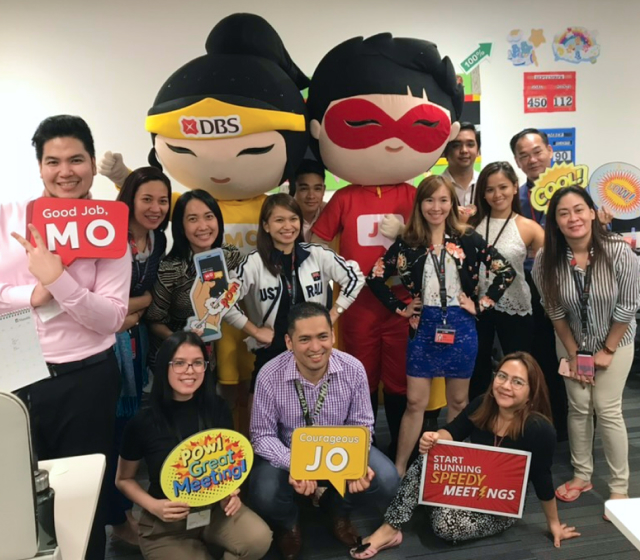
Driving $27M+ in productivity gains by redesigning organizational behavior systems
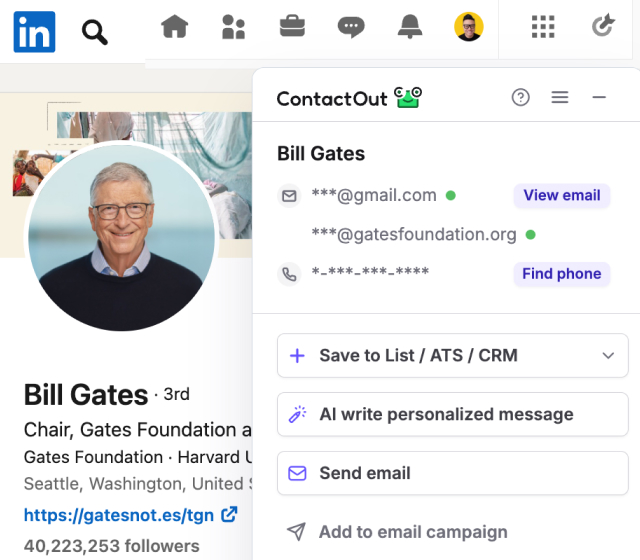
Scaling ARR from $4.5M to $13M by redesigning activation and trust
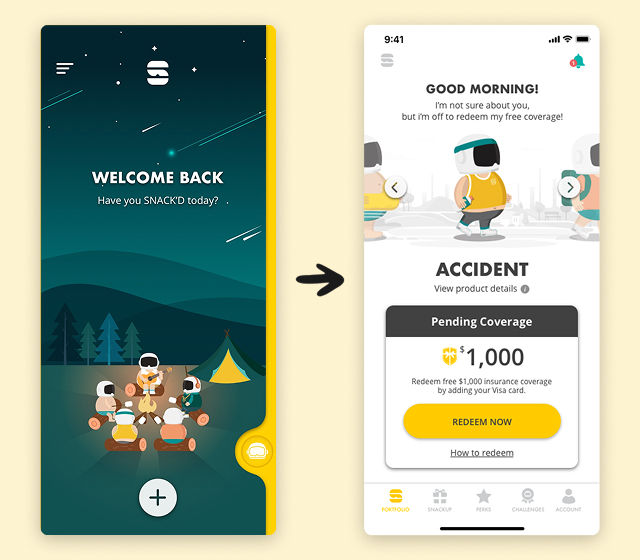
Increasing conversion by 71% by restructuring a misaligned product experience
Let's build something together.
Whether you're scaling a startup, transforming an enterprise, or building a design team, I'd love to hear about it.